

Interview: Pat Wilson
Weezer's Drummer Discusses His Playing On 'Pinkerton'

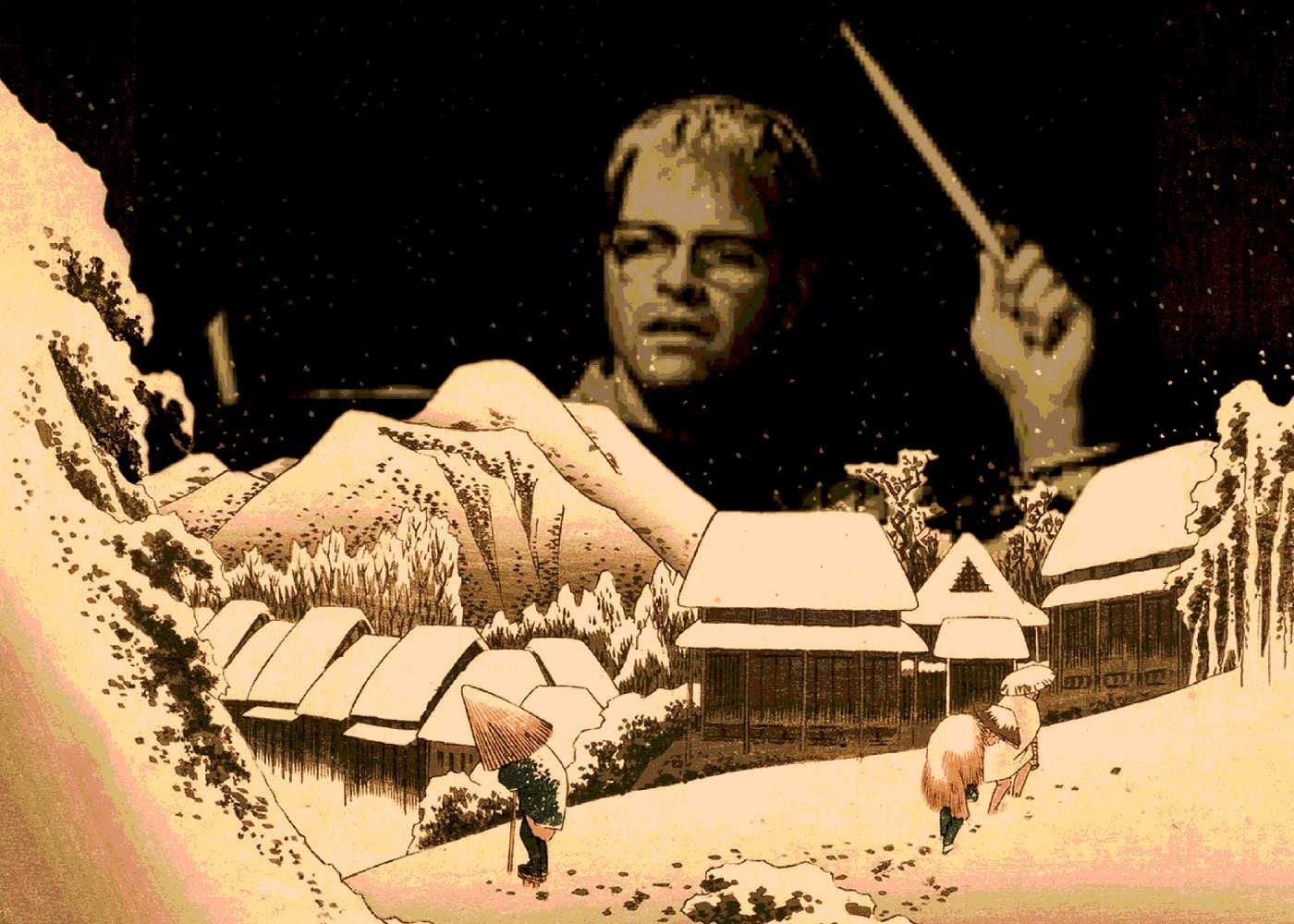
This is the fourth installment in a five part series about drummers and drumming.
Talking Art With Chris Mars (Discussing his new book 7:42 P.M.)
You’re Pretty Good For A Girl (Lynn Perko-Truell of SF Dicks and Imperial Teen)
Putting the POW! In Power Pop (Ira Elliot of Nada Surf)
THIS SATURDAY: Rat Scabies of The Damned
Weezer’s Pinkerton is a hard album to pin down.
Its raw and emotionally vulnerable songs were initially bashed by many Blue Album fans and mainstream music critics upon release in 1996, but it has since been endlessly reassessed and ultimately revered. Self-produced by the band, it delves into darker themes of disillusionment that retroactively render it an emo pop gem.
The band’s relationship with Pinkerton has also evolved over time. Rivers Cuomo called it “a hideous record” and “a hugely painful mistake” in a 2001 Entertainment Weekly interview. His tune had changed by the time he sat down for a 2008 Pitchfork conversation, describing the album as “super-deep, brave, and authentic.”
Those contradictory takes—and the album’s decades-long evolution from “sophomore slump” to “misunderstood masterpiece”—makes sense when you consider that Pinkerton was written and recorded during a tumultuous period for Weezer. Cuomo had gotten extensive leg surgery and was studying classical composition at Harvard, while founding bassist Matt Sharp made a slow motion exit to focus on The Rentals.
Weezer’s second album also arrived on the heels of their mainstream breakthrough with more polished Blue Album singles “Undone—The Sweater Song,” “Buddy Holly,” and “Say It Ain’t So”—setting commercial expectations high and causing something of an identity crisis for the geek rock trailblazers.
Given the circumstances, it’s no wonder that musical exploration and soul-searching are front and center on this fantastic collection—but to my ears Pinkerton is held together by Pat Wilson’s tastefully bombastic drumming.
“I think it’s cool that we didn’t make another Blue Album and were willing to just let it rip with something very raw,” Wilson told me for the interview below.
“I just felt free to play what I wanted, and even though that was true on Blue we had toured a lot; and of course you want to do something different after grinding an album for two years.”
Pinkerton turns 30 in 2026, so I caught up with Wilson by email to discuss his creative approach to Weezer’s sophomore album, the state of the band during that era, some of his main drumming influences, and his favorite tracks (embedded throughout this post, along with a couple of my personal choices—including one of my favorite off-kilter drum fills at 1:33 in “Good Life”).
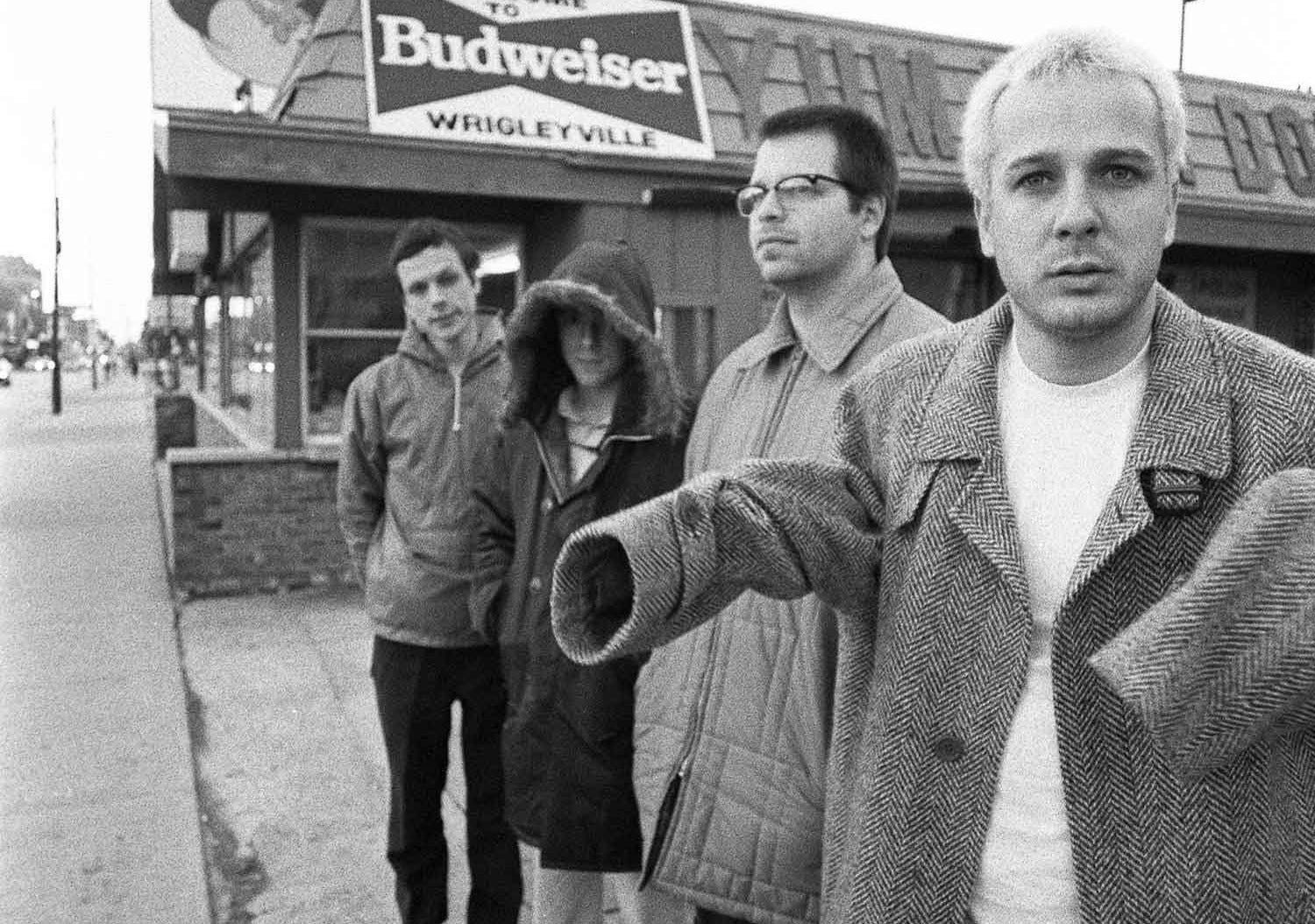
Pat Wilson Interview
Can you talk a little about the mood in Weezer during the writing and recording of Pinkerton?
Pat Wilson: Having regenerated every cell in my body four times since then I will do my best!
I remember there was a lot of adjustment from the success of the Blue Album and a desire to perhaps rail against some of the characteristics of it. Where Blue was focused, trim and very direct, for me personally I wanted the drums to sound more like how they sound in the room. Joe Barresi (Pinkerton’s engineer) had turned me onto compression and I was all about it, like every other drummer who likes Led Zeppelin.
How conscious was the band about recording a “departure” from the tighter, more polished debut album?
Pat Wilson: There wasn’t a ton of unity or cohesion in the band relationship (or maybe there was, but I wasn’t in it haha). I remember Rivers had one foot in school so along with the usual sophomore challenges there was the general angst of trying to make sense of fame and success.
I remember Rivers and Matt were kicking around ideas for a new wave kind of vibe, but Matt sort of ran with that for The Rentals. So, (Pinkerton) just kind of emerged as something more natural and bombastic.
The drums on Pinkerton sound huge and live. Was the recording set up or mixing wildly different on that album vs. the Blue Album?
Pat Wilson: It was all similar studio stuff but more natural room sound and more blown out. I remember Jack Joseph Puig (Pinkerton’s mixer) made an interesting contrast, the tracks were very raw and he did a nice job of making it a bit smoother sounding.
You’ve spoken before about the overall slower tempos on Pinkerton. Do you think that gave the drumming more room to breathe?
Pat Wilson: I think Weezer always kind of wants to play a little bit slower. Actually, a lot of tracks on Pinkerton are more uptempo compared to Blue—or maybe just more driving.
You've named technical wizards like Steve Gadd and Stewart Copeland as among your drumming influences—but I hear John Bonham energy throughout Pinkerton.
Pat Wilson: That’s nice of you to say, I think Bonham and Alex Van Halen are probably my biggest actual influences. I love Gadd and Copeland, but those guys are so singular with their technique that it’s hard to play like them.
Bonham is basically loud jazz to me, which I love, and keep coming back to as a listener more than the modern close-mic and produced drums that started in the ‘80s.
Your playing is always muscle-y, but often understated. There are certain moments, though, where your technical chops and inventiveness shine through. Does that come out of rehearsing with the band, or are you more intentional about writing on your own?
Pat Wilson: I’m probably the least intentional when it comes to music; the more I think the worse it gets.
I also internalized Neil Peart and Rush growing up so sometimes what makes sense is to just play crazy fills, like that’s what the song is requesting from me.
How does being a songwriter impact your drumming in Weezer?
Pat Wilson: Well, I kind of hate writing songs. Rivers is so disciplined about it (fortunately for us!), but when I think of what I grew up on and loved the most—Van Halen, Led Zeppelin, Rush, Pink Floyd, Gary Numan, Yes—a lot of that is just great music.
That’s actually my favorite thing about rock music: you can have beautiful, hooky parts all over the place and there is forward motion (like “Mountain Song” by Jane’s Addiction), but it’s not a pop song. In general, I’m just trying to make everything feel good and keep moving forward.
Pinkerton has attained a certain mythical cult status over time. What is your personal relationship to
Pat Wilson: I remember at the time near the end of touring for that album, some of the shows were so wild because it felt like the crowd was more into that record than the Blue Album; they knew lyrics to deep cuts and I remember thinking, “Oh, something is going on here.”
Any favorite tracks from that album to play live?
Pat Wilson: “Across the Sea,” “Tired of Sex.” I always enjoy “Falling For You,” it has like 15 chords lol.
Any 30th anniversary Pinkerton celebrations planned for 2026?
Pat Wilson: Right now I celebrate every day. Our story is so unlikely and I feel very fortunate.


I’ve always been a Weezer fan. Thanks for posting the interview! My fave song will always be Hash Pipe:
https://youtu.be/_9BGLtqqkVI?si=3my6u0uFB-Zc_qE-
Great read! Legendary drumming on that album